Episodes
beyond stigma episodes
Episode 1:
The Loss of Identity
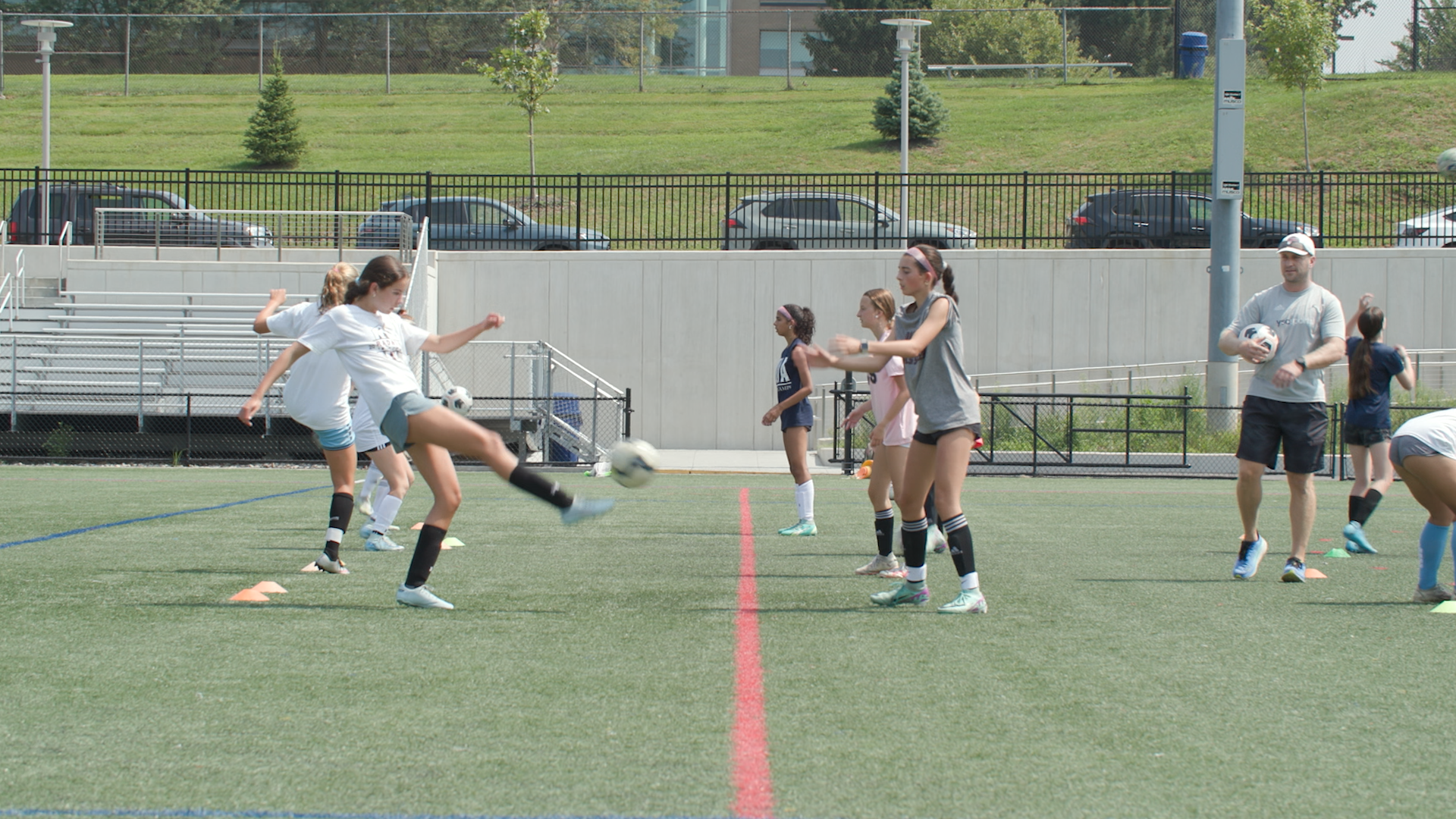
Women college athletes self-report significantly higher levels of stress, anxiety, and depression than do men college athletes. This is rooted in the highly regimented world of college sports, where athletes are largely stripped of their personal identity and lose all sense of agency. Many current and former college athletes liken it to being in a religious cult or the military. These women share stories about living a life completely on other peoples’ terms. There are painful accounts of relentless time demands, an obsession with winning, dehumanizing coaching behavior, and assaults on intelligence. Parents recall watching their daughters grow more distant and confused, right up to the most shattering consequences. Former athletes recount going right to the edge before something made them turn around and reconsider their lives. The loss of identity associated with women’s college sports includes, but goes far beyond, the fierce stigma attached to being an athlete who “can’t hack it.”
Episode 2:
The women’s game
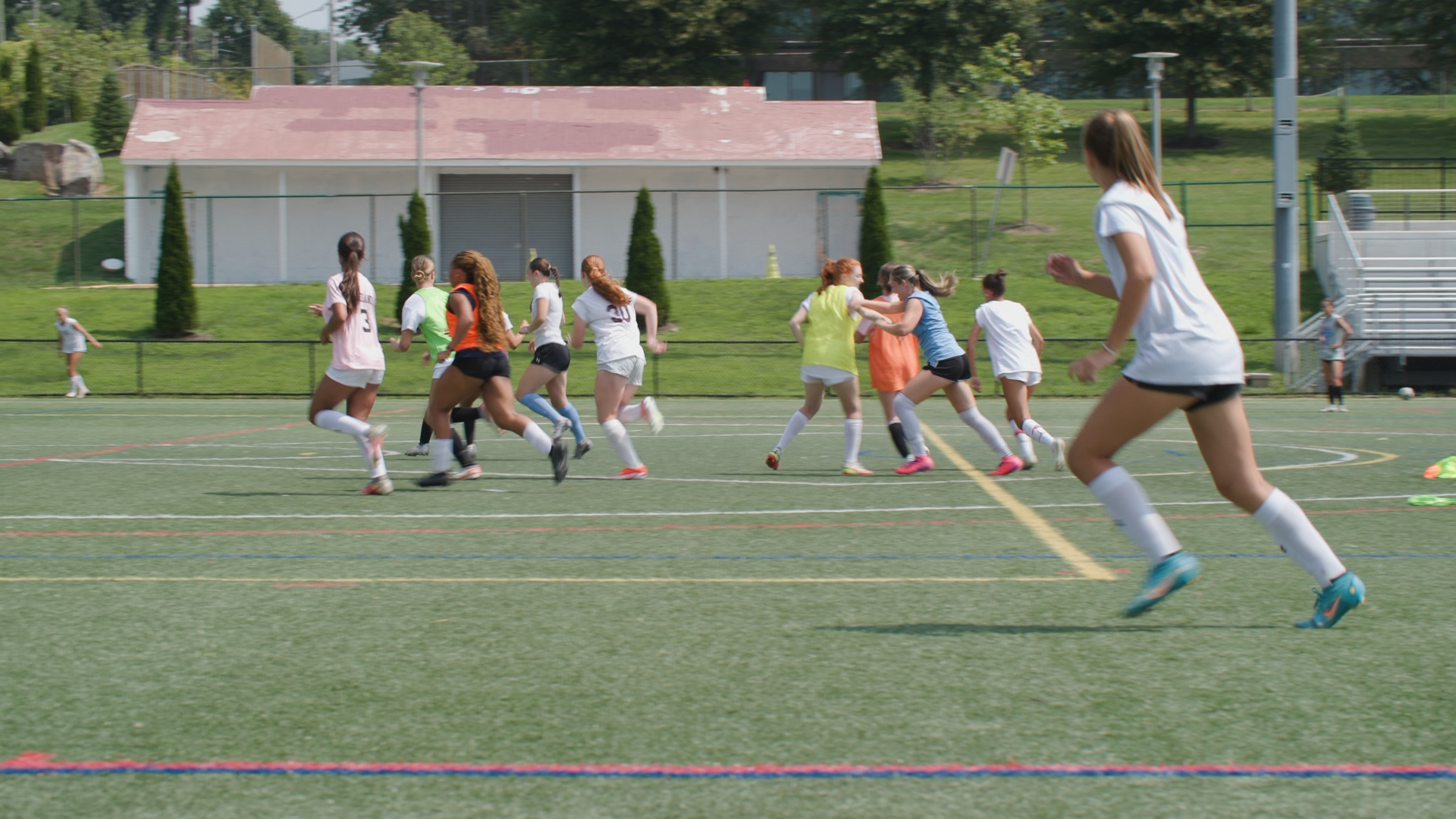
College athletics was designed by men for men and boys. Since the explosion of women’s and girls’ sports in the late 20 th century, there have been expectations about what female sports should look like, with male sports always being the measuring stick. This masculinization of women’s sports had led to an epidemic of physical and emotional injuries suffered by the women and girls who play organized sports. We hear from athletes who have faced years of body shaming and ridicule for experiencing normal bodily functions. Disordered eating runs rampant through the world of women’s college sports, leading to relative energy deprivation, osteoporosis, amenorrhea, and cycles of self harm. The impact of this physical and emotional turmoil lasts long after a college athlete retires, and many women now in their 50’s report continued struggles with self-image. It is time to reimagine women’s sports not as a replica of men’s sport in the image of Title IX, but as a meaningful and joyous activity with its own intrinsic value independent of what the men are doing.
The youth sports connection
Episode 3:
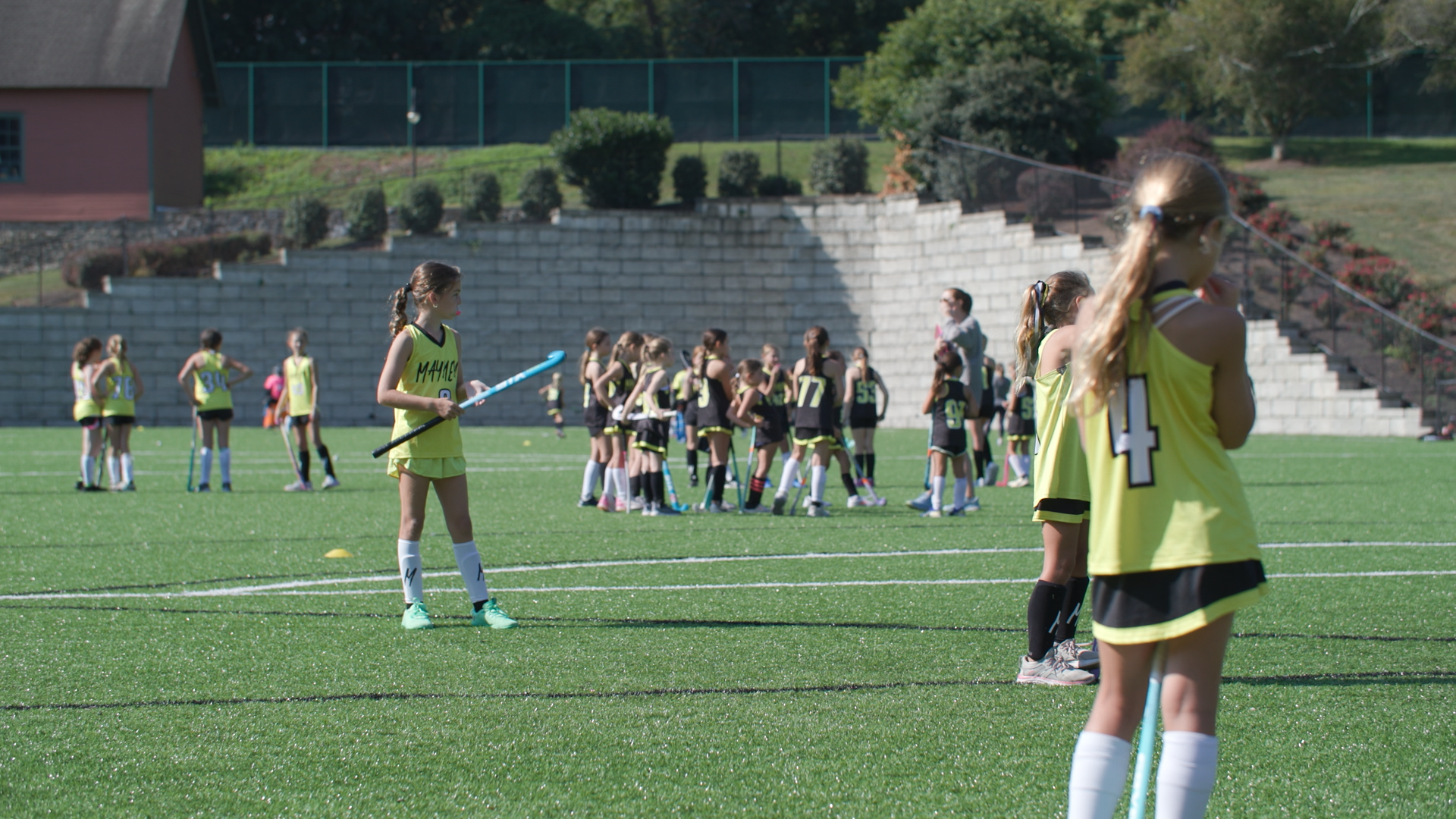
The rapid expansion of women’s intercollegiate sport options has led to an explosion of commercialized girls’ youth sports. We follow nine-year old Gianna and her family as they navigate the ups and downs of contemporary, pay-to-play youth sports. Gianna loves many activities but is increasingly being pushed to select one over the other. Her parents admit this is crazy but often feel helpless pushing back against a youth sport industry that, with fewer recreational options, seems to hold most of the cards. Another youth sport parent admits not being aware of the madness until her twelve-year old daughter almost died from a blood clot linked to severe overuse. This restrictive for-profit industry has largely replaced K-12 interscholastic sports as the precursor to becoming a college athlete, with college coaches now exclusively recruiting at expensive “showcase” events that occupy the epicenter of commercialized youth sports. With a business model revolving around expensive equipment, early sport specialization, and year-round (expensive) engagement, girls are experiencing severe physical injuries and emotional burnout even before arriving at college – if they even last that long. We speak to college athletes reflecting on their youth sport days with sadness at all the missed birthday parties, trips to the beach, and just reading under a tree in the back yard.
Solutions- stigma and beyond
Episode 4:
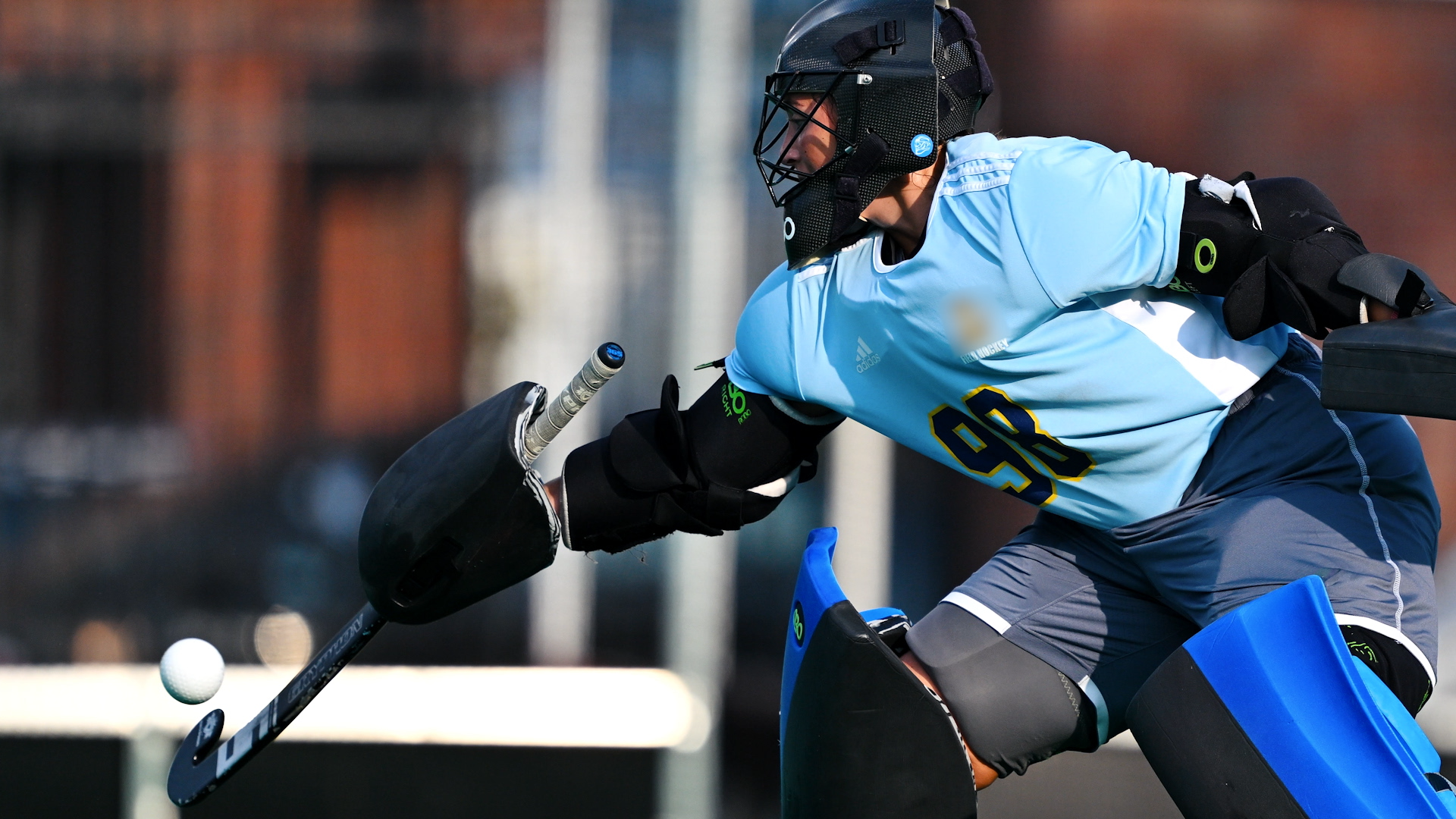
In this final episode, athletes, educators, advocacy groups, college administrators, athletic directors, youth sport leaders, and coaches offer ideas for systematically addressing the mental health crisis in women’s college sports. Many of these ideas focus on eliminating the stigma associated with athlete mental health and creating safe spaces for athletes (and their advocates) to address and confront these problems. But we also suggest strategies that go beyond stigma to target the structural and systemic roots of the oppressive stress and anxiety experienced by many women college athletes. These include actual enforcement of existing oversight mechanisms within the NCAA, supporting collective bargaining for all college athletes, altering the winning- first criteria for assessing college sport programs, pushing back against higher education’s apparent role as a training ground for professional and Olympic athletes, eliminating college recruitment in non-revenue sports, prohibitions against early youth sport specialization, and increased affordable recreational options for young athletes.